How to Choose the Right Webbing Material for Different Applications
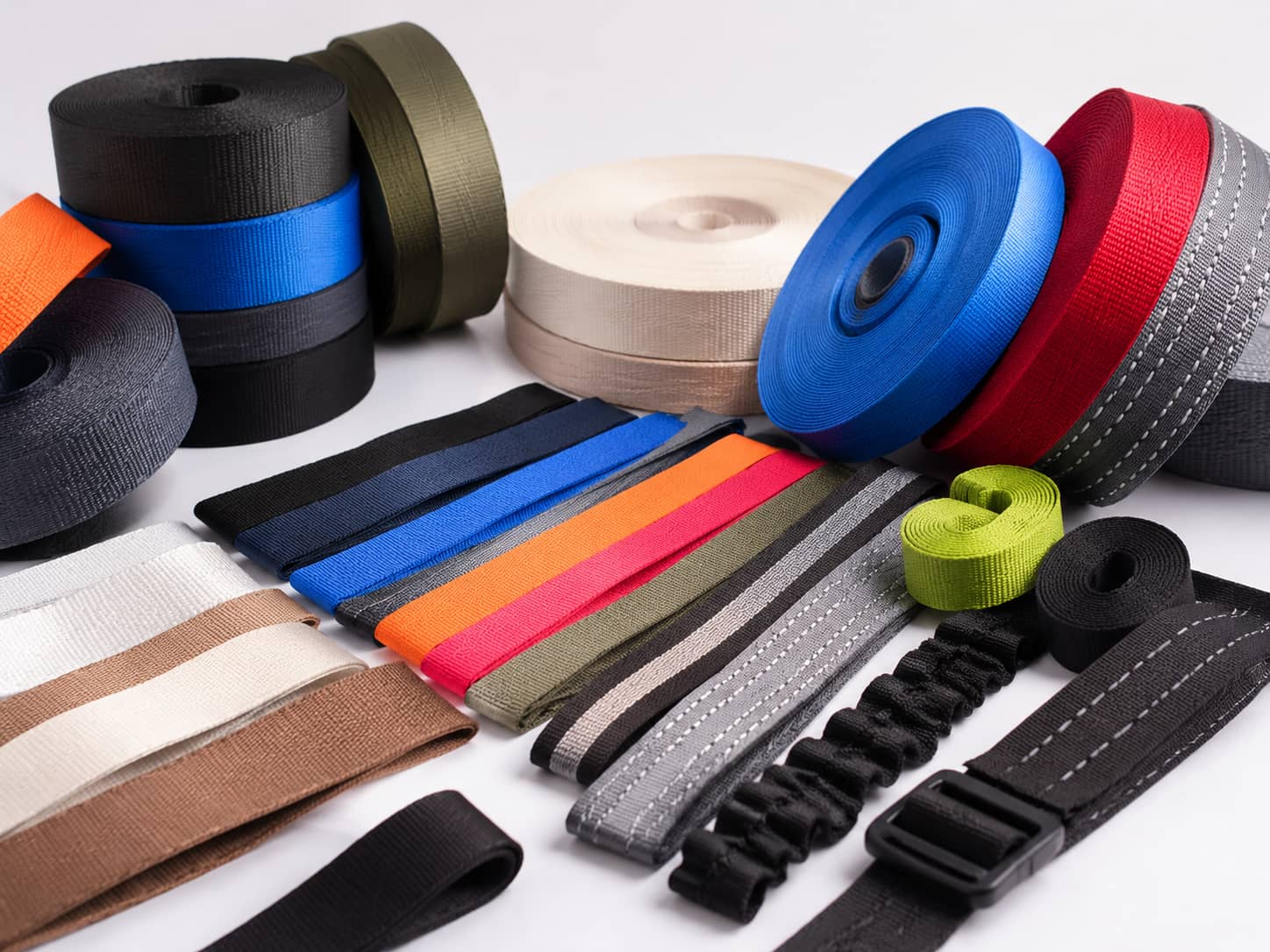
Choosing the right webbing material is an important step in product development. Different applications require different levels of strength, flexibility, durability, appearance and cost control. Understanding the characteristics of each material helps brands and manufacturers create better products.
From pet accessories and luggage straps to outdoor equipment and industrial applications, selecting suitable webbing ensures better performance and customer satisfaction.
Table of Contents
- Polyester Webbing
- Nylon Webbing
- PP Webbing
- Cotton Webbing
- Reflective Webbing
- Elastic Webbing
- How to Select the Best Material
- FAQ
Polyester Webbing: Durable and Versatile
Polyester webbing is one of the most commonly used materials because of its excellent balance between strength, durability and cost efficiency.
It offers good resistance to UV exposure, moisture and abrasion, making it suitable for many applications.
Common Applications
- Pet Collars and Leashes
- Luggage Straps
- Backpack Accessories
- Outdoor Products
- Industrial Straps
Nylon Webbing: High Strength Performance
Nylon webbing is known for its superior tensile strength and excellent flexibility. It is often selected for applications that require strong load-bearing performance.
Advantages
- High Strength
- Excellent Flexibility
- Soft Touch Feeling
- Good Impact Resistance
Nylon webbing is commonly used in premium pet products, outdoor equipment, safety products and heavy-duty applications.
PP Webbing: Lightweight and Cost Effective
Polypropylene (PP) webbing provides a lightweight and economical solution for many everyday applications.
It offers good moisture resistance and stable performance, making it popular for products requiring affordable but reliable materials.
Typical Applications
- Packaging Straps
- Lanyards
- Promotional Products
- General Accessories
Cotton Webbing: Natural and Premium Feel
Cotton webbing provides a soft touch and natural appearance. It is often chosen by brands that focus on comfort, fashion and environmentally friendly product concepts.
Common Uses
- Fashion Bags
- Handmade Products
- Premium Accessories
- Lifestyle Products
Reflective Webbing: Safety Enhancement
Reflective webbing is designed to improve visibility in low-light environments. Reflective materials are commonly integrated into safety-related products and outdoor equipment.
Applications
- Safety Clothing
- Outdoor Gear
- Pet Safety Products
- Night Running Accessories
Elastic Webbing: Flexible and Comfortable
Elastic webbing provides stretchability and comfort, making it suitable for products requiring flexibility and movement.
- Sports Equipment
- Medical Accessories
- Clothing Applications
- Adjustable Straps
How to Select the Best Webbing Material?
When selecting webbing materials, buyers should consider several important factors:
- Application Requirements: Determine whether the product needs strength, flexibility or comfort.
- Environmental Conditions: Consider exposure to sunlight, moisture, chemicals or outdoor conditions.
- Appearance Requirements: Choose suitable colors, textures and finishing options.
- Budget Considerations: Balance product performance with target cost.
- Customization Needs: Confirm whether printing, jacquard logos or special treatments are required.
Why Work With a Professional Webbing Manufacturer?
An experienced manufacturer can help customers choose suitable materials, optimize product design and provide customized solutions.
Dongguan Xinxiangrui provides professional OEM and ODM services, supporting customized webbing products including material selection, colors, logos, finished accessories and packaging solutions.
Frequently Asked Questions
Which webbing material is strongest?
Nylon webbing generally provides excellent tensile strength and flexibility, making it suitable for heavy-duty applications.
Which webbing is best for pet products?
Polyester and nylon webbing are widely used for pet collars, harnesses and leashes because they provide durability, comfort and reliable performance.
Can webbing materials be customized?
Yes. Professional manufacturers can customize materials, colors, widths, thicknesses, logos and finishing treatments according to customer requirements.
Conclusion
Selecting the correct webbing material plays an important role in product quality and customer satisfaction. By understanding the advantages of polyester, nylon, PP, cotton, reflective and elastic webbing, brands can create products that achieve the right balance of performance, appearance and cost.
Working with an experienced OEM webbing manufacturer ensures professional guidance, reliable production and customized solutions for different industries.
Contact Us
Need help choosing the right webbing material for your product? Contact Dongguan Xinxiangrui for professional OEM and ODM webbing solutions.